Buy tickets
13 Event
A tavaszi esték különleges hangulatát idézi meg a Kávéházi operett estek következő rendezvénye, ahol a zene, a történetek és a személyes hangvétel találkozik egy meghitt, kávéházi atmoszférában.
Dr. Sárkány ügyvéd a válóperek specialistája, bármire kész egy jó perért, szenvedéllyel űzi szakmáját; de nemcsak a kliensek, hanem a háziak magánélete is viharos: cselédlányuknak kisbabája született, de lány nem hajlandó elárulni az apa kilétét.
Magyar operett, játékosság felsőfokon
Zenés táncos magyar operettdélutàn
Közreműködnek:
Denk Viktória, Frankó Tünde, Fülöp Zsuzsanna, Sudár Gyöngyvér, Várhelyi Éva, Kàldi András, Egri László - Operaénekesek
Kenderesi Viktória, Tóth Sándor - Táncművészek
valamint
Seres Tamás hegedűművész
Zongorán kísér:
Beeri Barnabás zongoraművész
Műsoron a legnépszerűbb magyar operettslágerek amit 1-100 évesig mindenki velünk dúdol.
operett három felvonásban, magyar nyelven
Singspiel in two acts, in Hungarian, with Hungarian and English surtitles
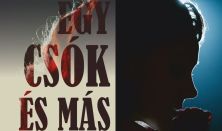
EGY CSÓK ÉS MÁS SEMMI
Halász–Eisemann–Békeffi zenés vígjáték 2 felvonásban
Egy szórakoztató, vidám, könnyed, interaktív este, ahol népszerű és közismert operett és nosztalgia slágerek csendülnek fel. A fiatal művészek szívet melengető és szórakoztató előadása az operett csodás világába repíti el a közönséget. A műfaj kedvelőinek és az idősebb korosztálynak különösen ajánlott, de igazából bárki jól érezheti magát.
A „Csodaszarvas”, a honfoglalás előtti időkbe kalauzolja el nézőit. Igazi, látványos, családi lovas előadást tervezünk, mely történelmünk kezdeti, eddig csak „regélt” időszakában játszódik. Arany János "Buda halála" című műve nyomdokán, egy olyan világot tárunk nézőink elé, melyben egyformán megtalálja örömét minden korosztály.
Zoltán Kodály
Háry Jánoska
Language: Hungarian
Wolfgang Amadeus Mozart
LE NOZZE DI FIGARO
Comic opera in two acts, in Italian, with Hungarian, English, and Italian subtitles
A century ago, the world first encountered this remarkable opus, a work that soon became one of the cornerstones of twentieth-century musical innovation. Premiered in 1926, the singspiel is a milestone in Hungarian music history: its composer, Zoltán Kodály, fulfilled his aspiration to elevate Hungarian folk song of ancient origin to the same status as classical music, by virtue of its equivalent values, placing it on the stage of the nation’s Opera House.
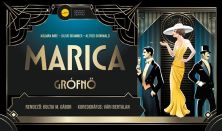
Kálmán Imre világhírű operettje, a Csárdáskirálynő egy szenvedélyes, humorral és fülbemászó dallamokkal átszőtt szerelmi történet, ahol a rang és a szív harcba száll egymással.
„Tavaszi zsongás” Improvizatív Operett Gála két részben
Giuseppe Verdi
REQUIEM
Staged oratorio in Latin, with Hungarian, English, and Latin subtitles
Wolfgang Amadeus Mozart / Gian Carlo Menotti
BASTIEN UND BASTIENNE / THE TELEPHONE
One-act operas in Hungarian, with Hungarian subtitles
Wolfgang Amadeus Mozart
PARÁZSFUVOLÁCSKA – The Magic Flute for Children
Fairy-tale Singspiel in two parts, in Hungarian, with Hungarian and English surtitles
Jenő Ádám, a student of Kodály’s and perhaps his greatest contemporary admirer, was also the one who structured and developed his pedagogical method: his Christmas one-act was the first work at the Opera House, which placed the pure Hungarian folk song on the same stage as the works of the great figures of classical music history. On Christmas 1931, Hungarian Christmas premiered with the theatre's greatest singers, conducted by the composer.
The tale of Leander the goblin and Princess Linseed, brimming with magic and a seemingly unbreakable curse, not to mention a wealth of twists and turns, is a genuinely good yarn. Set to a libretto by Barnabás Szöllősi that is based on Andor Szilágyi's fable for the theatre and written at the OPERA's request in the 2014/15 season, Erkel Prize-winning composer Zsófia Tallér's masterful, expressive and entertaining music makes this Hungarian fairy tale opera an enjoyable experience for children and adults alike, and, we hope, a possible future classic.
“I've captured a terrific storm of elements and of hearts which gradually calms to Brünnhilde's magic sleep,” Wagner on the score of Die Walküre, in a letter to Ferenc Liszt. Following on the heels of the introductory Das Rheingold, this opera about the tragic love between two of Wotan's children constitutes the start of the more tightly drawn dramatic trilogy. Once again, the laws of the gods clash: can paternal love save a lad who has violated the sanctity of marriage?
Gioachino Rossini – Wolfgang Amadeus Mozart – Darius Milhaud
The Barber of Seville / The Marriage of Figaro / The Guilty Mother
Opera-mix in two parts, is Hungarian with Hungarian and English surtitles
What happens when the worst traits of a power-hungry prince incapable of resisting earthly pleasures, a morally corrupt, vengeful, manipulative woman, and a desire-driven but highly impressionable teenage girl all erupt at the same time upon the appearance of a holy man?
Claude Debussy / Franz Liszt
L'enfant prodigue / La damoiselle élue / Sardanapalo
Cantata
Language: Italian, French
Surtitle: Hungarian, English, same-language
Pongrác Kacsóh
John the Valiant
Máté Bella – András Almási-Tóth
Passion
contemporary Opera
Balázs Szálinger
Siegfried Idyll, or The End of a Friendship / Chrysanthemums, or The Death of Liù
Language: Hungarian
György Ránki
King Pomade's New Cothes
Gioachino Rossini
Il barbiere di Siviglia (The Barber of Seville)
Language: Hungarian
Surtitle: Hungarian, English
Gaetano Donizetti
MARIA STUARDA
Opera in three acts, in Italian, with Hungarian, English, and Italian subtitles
Zoltán Kodály
The Spinning Room
Folk scenes in Hungarian, with Hungarian and English surtitles
item(s) in basket
total:
Time limit has expired. Please, put item(s) in to basket again.